
Not every dog loves making friends on walks. Some bark, lunge, growl—or just freeze—when another dog comes near. This behavior can feel unpredictable and stressful, especially when you’re trying to enjoy a simple stroll around the neighborhood. But the good news is that with the right approach, you can reduce your dog’s reactivity and build confidence— for both of you.
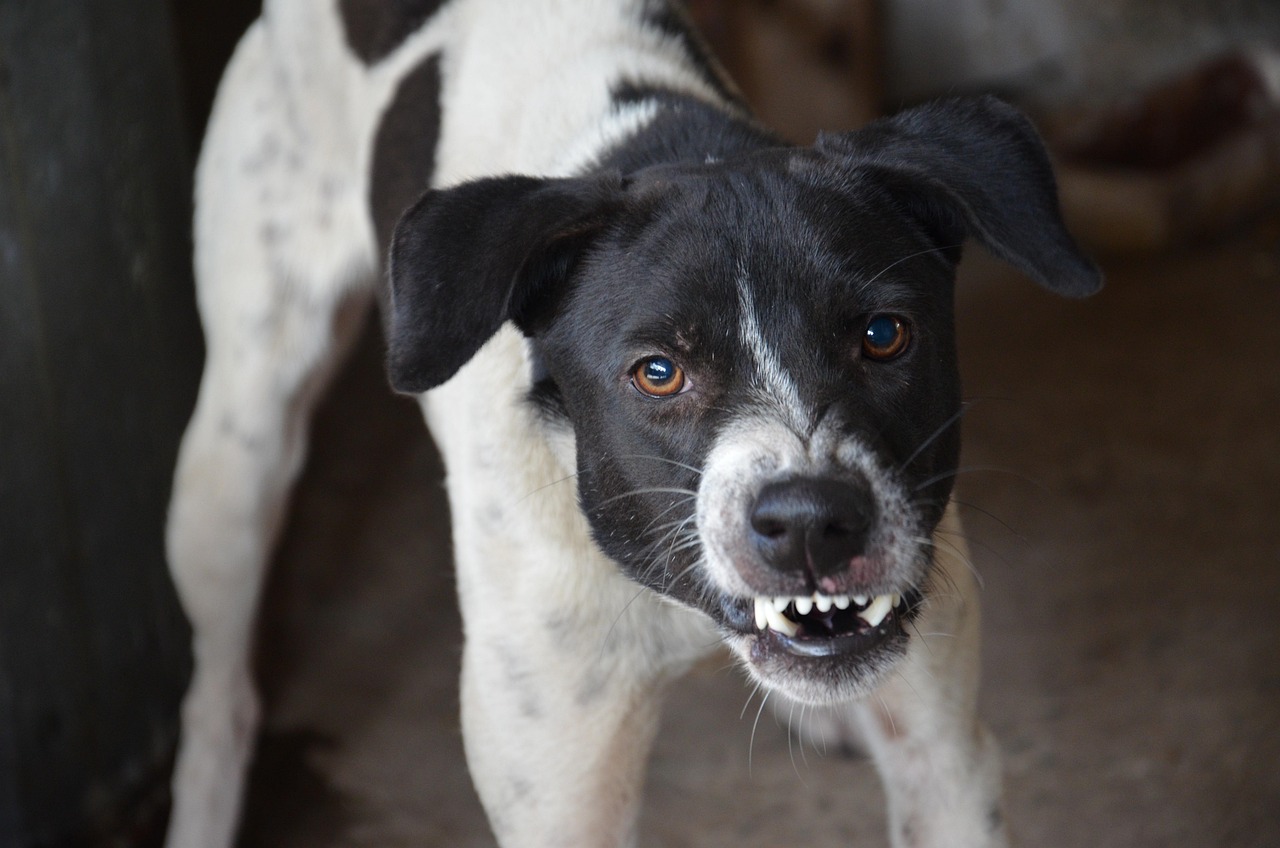
First: Understand the “Why”
Reactivity or aggression toward other dogs isn’t uncommon, and it doesn’t make your dog “bad.” There are many reasons a dog may act unfriendly or unpredictable:
- Fear or anxiety from a lack of early socialization
- Previous negative experiences with other dogs
- Frustration from being on a leash and unable to interact freely
- Protective behavior over their owner or territory
Understanding that your dog isn’t choosing to be difficult—but rather reacting to stress or fear—can help you approach walks with more patience and empathy.
Reducing Unpredictable Behaviors
Avoid Triggers When Possible: Until your dog has had training and made progress, the best way to avoid reactive episodes is simply to give other dogs plenty of space. Cross the street or change directions until the other dog passes. Many reactive dogs do well at a distance but struggle when another dog gets too close. Learn your dog’s “threshold”—the distance where they stay calm—and try to stay outside of it during walks.
Use the Right Equipment: A strong, secure leash and a well-fitted harness are essential. Consider a front-clip harness that offers more control and reduces pulling, or a head halter (such as a Gentle Leader) for stronger dogs. If your dog is at risk of biting, you may wish to use a muzzle – which when used correctly is a safety tool, not a punishment. It is best to avoid retractable leashes, which can limit your control and increase risk.
Keep Your Dog Focused: Bringing high-value treats can help redirect your dog’s attention away from triggers. Practice “look at me,” “leave it,” or “heel” commands to keep your dog mentally engaged. When you see another dog approaching, get your dog’s attention and reward calm behavior. This builds a positive association: seeing another dog means looking to you and getting a treat—not reacting.
Be Your Dog’s Advocate: It’s okay to say no when someone asks, “Can our dogs say hi?” Just because your dog doesn’t want canine friends doesn’t mean something is wrong. Politely but firmly say, “No thanks, my dog needs space.” If another dog is off-leash and running toward you, try saying “Please call your dog!” loudly and stepping between them. Carrying a deterrent like a pet-safe spray shield or an umbrella to create space can help in emergencies.
Train in Low-Stress Environments: To make real progress, practice training away from heavy distractions first. Work in your yard or quiet areas on focus, recall, and impulse control. As your dog improves, gradually introduce more challenging environments, always staying below their stress threshold.
You might also consider working with a certified dog trainer or behaviorist who has experience with reactive dogs. They can tailor strategies to your dog’s specific behavior and temperament.
Accept That Progress Is a Journey
Some dogs will always prefer space from others, and that’s okay. Your goal doesn’t have to be turning your dog into a social butterfly—just making walks safe and more enjoyable for both of you.
Progress may be slow, and setbacks happen. But with consistency, positive reinforcement, and realistic expectations, your unpredictable dog can learn better coping skills.
Gulf Coast K9 Can Help
Managing a reactive or unfriendly dog on walks can feel intimidating, but you don’t have to go it alone. With patience, the right tools, and understanding, walks can become a time of connection and trust instead of stress.
If you are having trouble and need assistance, please call Gulf Coast K9 Dog Training.Our expert trainers love dogs – and love helping them to feel be comfortable, safe and happy.