

Adopting a senior dog is one of the most compassionate and rewarding decisions you can make as a pet owner. Older dogs are often the last to be adopted in shelters, but they have just as much love—if not more—to give as younger dogs. These wise and gentle companions often possess a calm demeanor, a well-developed personality, and a deep capacity for forming strong bonds with humans. They tend to be less destructive than puppies, and many are already house-trained, making the transition to your home smoother in many ways.
However, adopting a senior dog isn’t without its challenges. While their grateful eyes and loving presence make it all worth it, potential adopters should be prepared for the unique needs and hurdles that may arise, especially when it comes to retraining, medical care, and emotional adjustment.
- Retraining May Be Necessary: Contrary to what many assume, senior dogs are not always fully trained—or they may have developed habits that need to be unlearned. Some older dogs spent much of their life outdoors, in kennels, or in neglectful environments where basic commands and boundaries were never taught. Others may have lived in loving homes but are now confused and grieving after losing their former family. This means that retraining can become an essential part of the adoption process. You may need to work on:
- House training, especially if the dog has never been inside a home consistently.
- Leash manners, as some dogs were never walked regularly or pull excessively.
- Socialization, especially if they’re wary of other dogs, people, or loud noises.
- Routine and boundaries, such as not jumping on furniture or begging at the table.
Patience is key. Just because they’re older doesn’t mean they can’t learn—many senior dogs are eager to please and respond well to positive reinforcement. It may take time, but they are often surprisingly quick to adjust when treated with consistency and kindness.
- Health and Veterinary Costs: One thing to keep in mind when adopting a senior dog is that they might need a bit more medical attention. Just like people, dogs face more health issues as they age—things like arthritis, hearing or vision loss, dental problems, or chronic conditions that need regular care. You might find yourself at the vet a little more often, and there could be extra costs for medications, joint supplements, or even a special diet. That said, many people believe the extra effort is worth it. The bond you build with an older dog—especially one who knows they’ve been given a second chance—can be incredibly special. And the good news is that some shelters and rescue groups recognize this and offer help, such as lower adoption fees or discounts on veterinary care. It never hurts to ask.
- Emotional Attachment Issues: Senior dogs often arrive at your front door with a complex emotional history. If they’ve been surrendered, bounced between homes, or just lived through tough circumstances, it can take time for them to settle in. They might be anxious or withdrawn at first. They’ve been through a lot, and they don’t always know right away that this new place—your home—is permanent and safe.
You may notice some signs of this early on, such as separation anxiety, low energy, or a sense of being “down,” or fearfulness around new people, sounds, or situations. These behaviors aren’t unusual, and they don’t mean anything is “wrong” with the dog—they just need a little patience and reassurance to feel secure again. - Saying Goodbye Sooner: Perhaps the hardest part of adopting a senior dog is knowing that your time together may be shorter. However, this shouldn’t be a deterrent—it’s an opportunity to give a special animal the best final chapter possible. The love and comfort you provide can completely change their life, offering the care and companionship they need as they grow older.
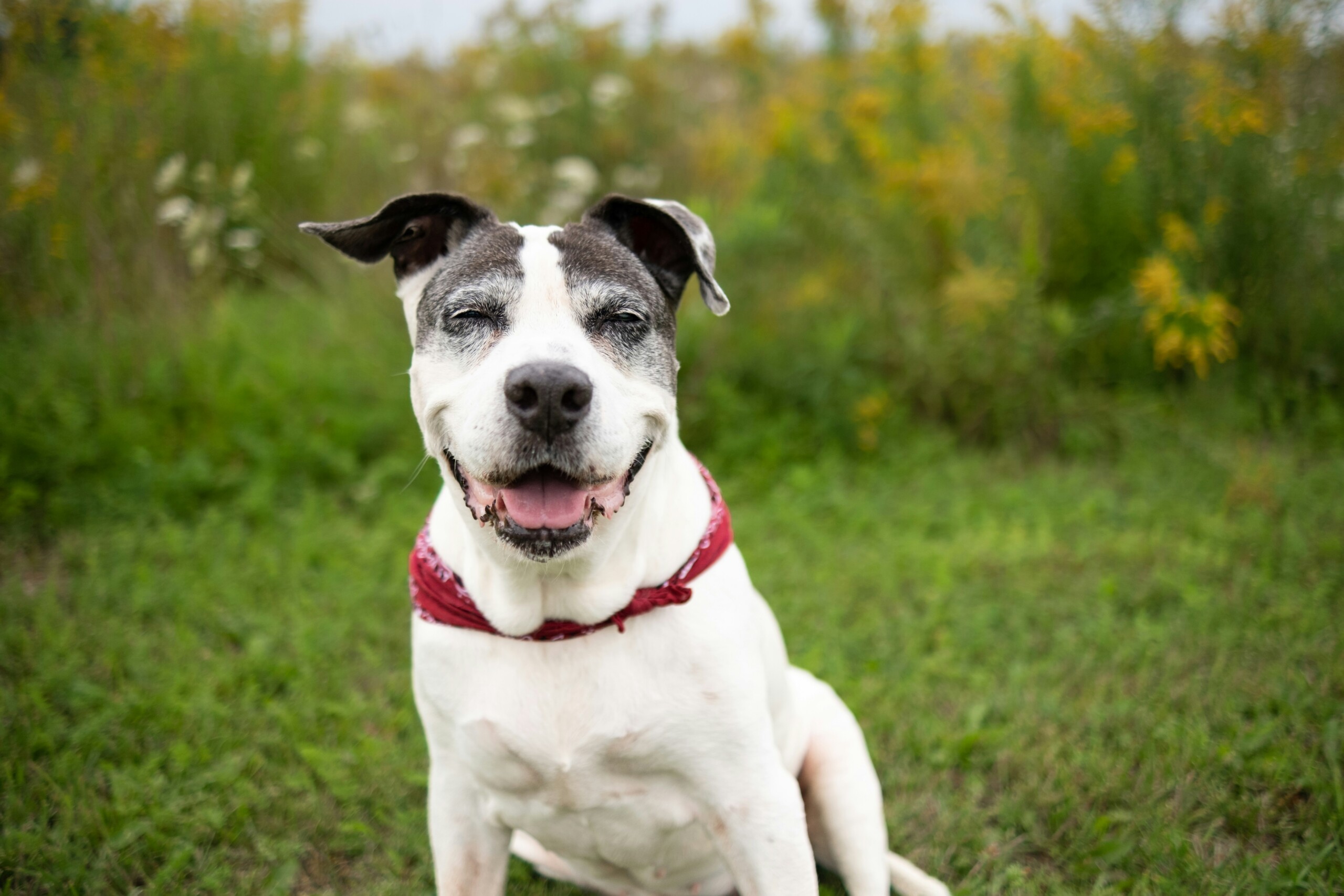
In the end, adopting a senior dog is not without its challenges, but the rewards are immeasurable. If you’re considering adopting, don’t overlook the gray-muzzled companions waiting in shelters. Their hearts are full, and they’re just looking for someone to spend their golden years with.
If you’ve opened your home to a new dog and need assistance with adapting and training, call Gulf Coast K9 Dog Training and ask about our training for dogs at all stages of life.