


The terms service dog and support dog are often used interchangeably in casual conversation, but they have distinct definitions under U.S. law and serve very different roles. Understanding the differences between a service dog and a support dog is essential, especially for those who require assistance animals or encounter them in public spaces. The primary differences lie in their training, legal rights, and the type of assistance they provide.
Definition and Purpose
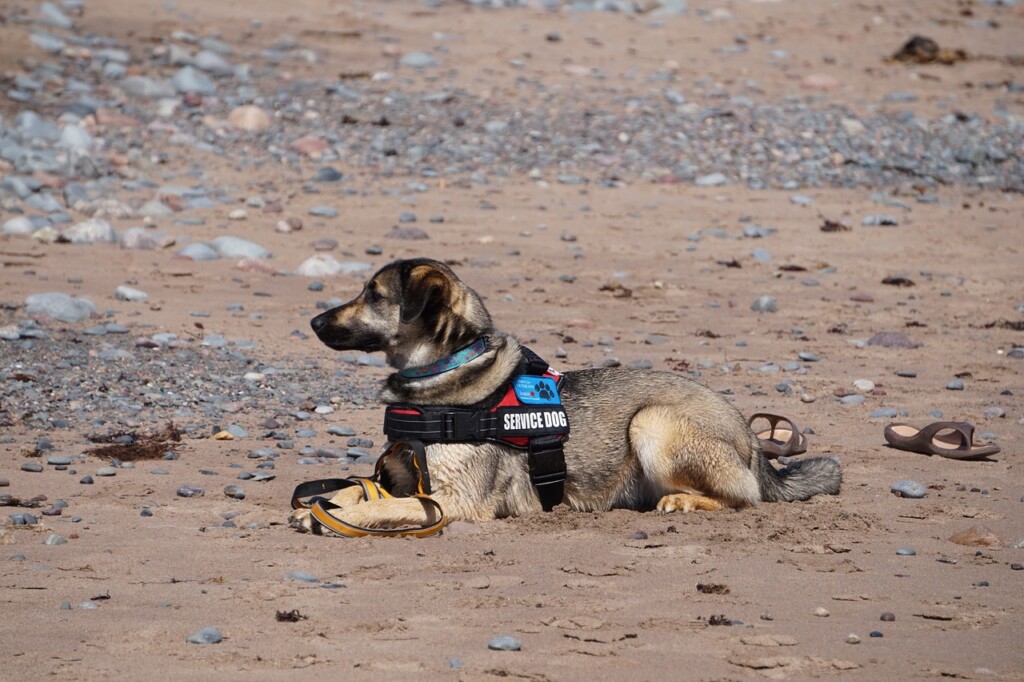
Service dogs are specially trained to perform specific tasks for individuals with disabilities. These tasks are directly related to the person’s disability and may include guiding a blind person, alerting a deaf person to sounds, pulling a wheelchair, alerting them to seizures or blood sugar changes, or reminding someone with a mental health condition to take medication. The Americans with Disabilities Act (ADA) defines service animals as dogs that are individually trained to perform tasks for people with disabilities.
Support dogs, often referred to as emotional support animals (ESAs), provide comfort, companionship, or emotional relief to individuals suffering from mental or emotional conditions such as anxiety, depression, or PTSD. However, these animals are not required to perform specific tasks. Their mere presence is what offers therapeutic benefits. As a result, support dogs are not considered service animals under the ADA; however, they may be covered under other federal laws, such as the Fair Housing Act (FHA).
Service Dogs Have More Legal Protections
Service dogs are granted full public access rights under the ADA. This means they are legally allowed to accompany their handler in nearly all public places, including restaurants, hotels, stores, buses, and airplanes. Staff may ask only two questions: whether the dog is required because of a disability and what task the dog has been trained to perform. They cannot ask for documentation or require the dog to demonstrate its tasks.
Support dogs, on the other hand, do not have the same public access rights. While they are protected in housing situations (landlords must allow them even in no-pet housing), they are not allowed in most public places unless the business chooses to permit them. As of 2021, airlines are no longer required to accommodate emotional support animals as service animals, although some may still do so voluntarily.
Training Requirements
Service dogs undergo intensive and specialized training that can take between 1 and 2 years. This training includes:
- Basic obedience commands (sit, stay, come, etc.)
- Public access behavior (remaining calm in crowded or noisy areas)
- Task-specific training (like retrieving dropped items or alerting to medical issues)
- Distraction resistance and handler focus
Training may be conducted by professionals, nonprofit organizations, or even by the handlers themselves, provided the dog is adequately trained to perform the necessary tasks. There is no official federal certification or registry for service dogs, but their training must be specific and effective.
Support dogs, in contrast, are not required to have any special training beyond basic obedience. While it’s beneficial for them to be well-behaved and calm in social settings, there is no legal mandate for them to perform specific tasks or pass behavioral tests. Often, an emotional support dog is simply a pet that helps alleviate a person’s symptoms through companionship.
In essence, the significant difference between a service dog and a support dog lies in their purpose and training. Service dogs are working animals trained to perform tasks that mitigate a specific disability, while support dogs provide emotional comfort without performing specific tasks. This distinction significantly affects the legal protections and public access rights granted to each type of dog.
For individuals with disabilities, understanding these differences can help ensure they choose the right type of support animal for their needs and navigate the legal landscape effectively.
Whether an emotional support animal or a family pet, Gulf Coast K9 Dog Training can provide the assistance you need. Call today to learn more about obedience classes for puppies (or dogs of any age). We are here to help.