

Taking your dog to the dog park can be a rewarding experience – it’s a great way to socialize them and give them a chance to exercise off-leash. However, before you grab the leash and head out to the nearest paw park,you should be sure that your dog is truly ready for the dog park environment. Not every dog is suited for it, and unprepared visits can result in stress, injury, or behavioral problems.
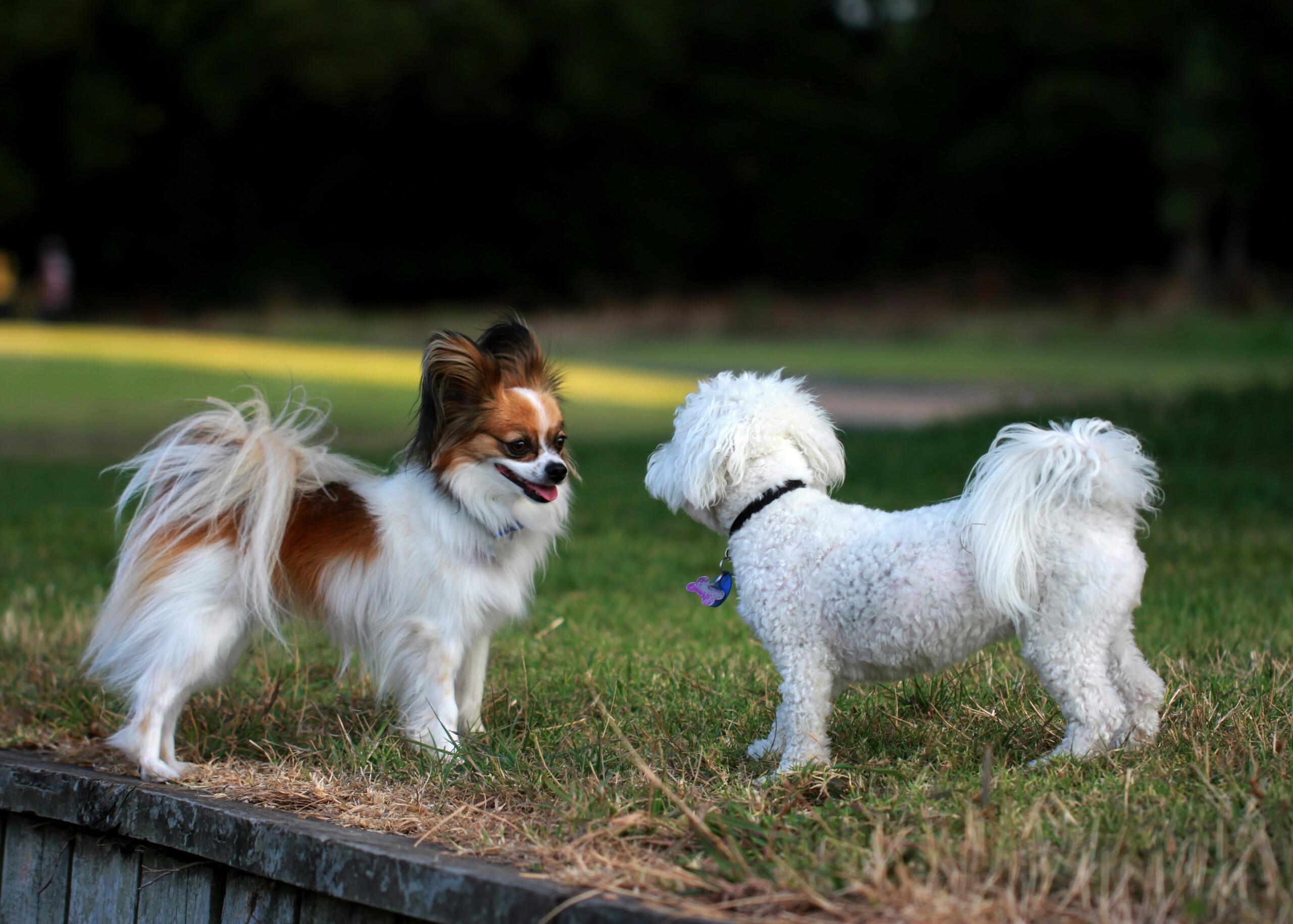
Here’s what you need to know to ensure your dog and everyone else have a safe and fun experience at the dog park.
- Make Sure Your Dog is Vaccinated and Healthy: Before visiting any communal dog area, ensure your dog is up to date on all core vaccinations – including rabies, distemper, parvovirus, and bordetella (kennel cough). These diseases can spread quickly in places where many dogs interact. Your dog should also be free from parasites like fleas and ticks. A vet visit will confirm that your pet is healthy and ready to interact with others.
- Evaluate Your Dog’s Temperament: The dog park is not the place to “fix” behavioral issues. If your dog has a history of aggression, anxiety, or poor social skills with other dogs or people, it’s best to address those issues with a trainer or behaviorist. Before visiting, your dog should respond well to basic commands and be able to remain calm and friendly around other dogs.
- Choose the Right Time and Place: Dog parks vary greatly in size, layout, and the dogs that frequent them. Some have separate areas for small and large dogs, which is important for safety. Try to visit during off-peak hours initially (like weekday mornings) when the park is less crowded. This can make it easier for your dog to adjust to the new environment without being overwhelmed.
- Bring the Essentials: Before heading to the park, pack a few key items.
- Water and a bowl: Not all parks provide clean drinking water.
- Poop bags: Always clean up after your dog.
- Leash and collar with ID tags: Keep your dog leashed until inside the off-leash area.
- Toys or treats (optional): Use with caution, as some dogs may become possessive. Leave items like food or high-value treats at home to avoid causing resource guarding between dogs.
- Supervise, Don’t Socialize (Too Much): It can be tempting to treat the dog park as a social time for you, too, but your primary focus should be on your dog. Watch body language and interactions with other dogs closely. Look for signs of stress, such as tucked tails, raised hackles, excessive barking, or attempts to escape. Be prepared to intervene or leave if things escalate.
- Practice Good Etiquette: Dog park etiquette is about respect—for others, for the space, and for your dog. Don’t bring puppies under four months old, unvaccinated dogs, or dogs in heat. Don’t allow your dog to bully others or join in aggressive play. If your dog is overly dominant or harassing another dog, it’s time for a break or to leave altogether.
- Know When to Leave: Not every dog will enjoy the park every time. If your dog seems uninterested, overwhelmed, or starts to display problematic behavior, it’s okay to cut the visit short. Ending on a positive note helps your dog associate the park with fun and safety.
Gulf Coast K9 Helps Dogs
A successful dog park visit depends on preparation, awareness, and a strong understanding of your dog’s needs and personality. When done right, dog parks can be fantastic places for exercise and socialization. But it’s up to you to ensure your dog is ready.
If your dog is struggling to adapt to social situations – or you simply need help with obedience – call Gulf Coast K9 Dog Training. We are here to help dogs lead safe and happy lives through training.